News
How Does a Child-Safe Flexible Tip Digital Thermometer Improve Temperature Monitoring?
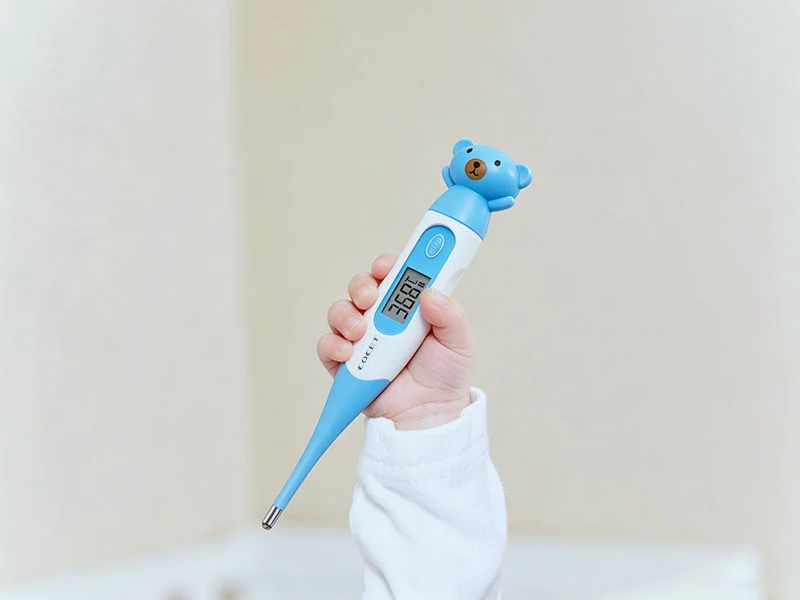
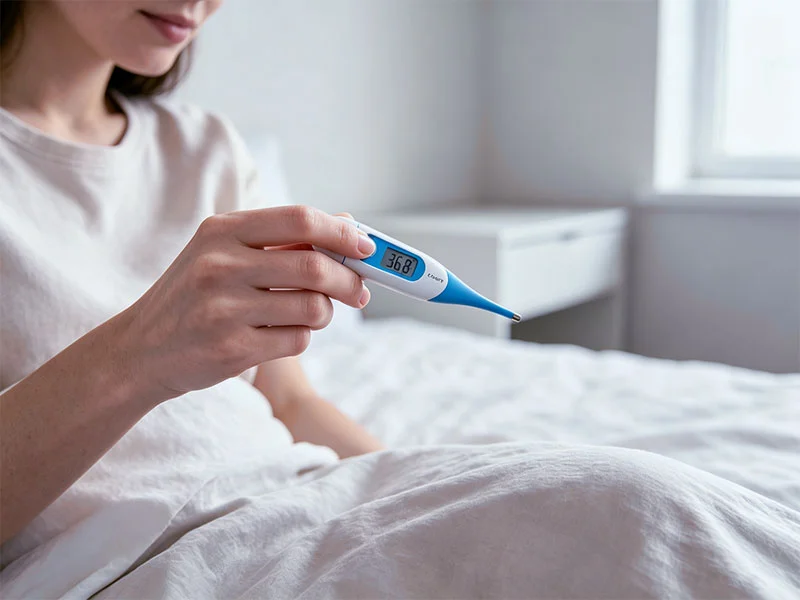
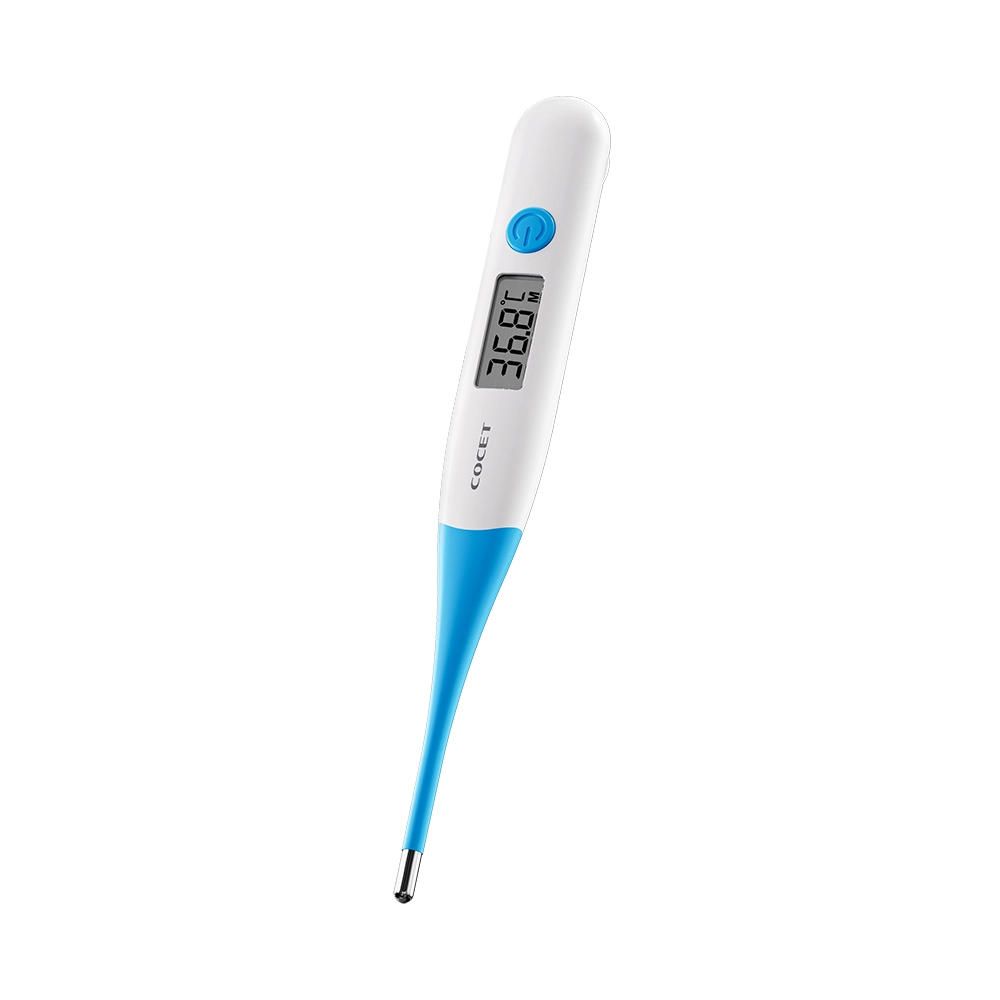
Child-Safe Flexible Tip Digital Thermometer products are designed to make temperature measurement more comfortable and manageable for children and their caregivers. When a child develops a fever, parents need a thermometer that is easy to use, provides dependable readings, and minimizes discomfort during measurement. A flexible-tip digital thermometer can help address these everyday concerns through its soft, bendable probe design and convenient electronic temperature display.
Choosing a suitable thermometer for children involves more than checking its display or measurement speed. Probe design, measurement accuracy, material quality, cleaning requirements, and age-appropriate usage all influence the overall experience. This article explains how child-safe flexible tip digital thermometers work, their main advantages, how to use them correctly, and what parents and healthcare product buyers should consider before purchasing one.
Article Outline
- Understanding Child-Safe Flexible Tip Digital Thermometers
- Why Does a Flexible Tip Matter for Children?
- Essential Features to Look for in a Child-Friendly Thermometer
- What Affects Temperature Measurement Accuracy?
- Common Temperature Measurement Methods for Children
- How to Use a Flexible Tip Digital Thermometer Correctly
- Cleaning, Disinfection, and Daily Maintenance
- How to Choose the Right Thermometer for Your Needs
- Common Mistakes Parents Should Avoid
- Why Choose a Reliable Thermometer Manufacturer?
- Frequently Asked Questions
- Final Thoughts
1. Understanding Child-Safe Flexible Tip Digital Thermometers
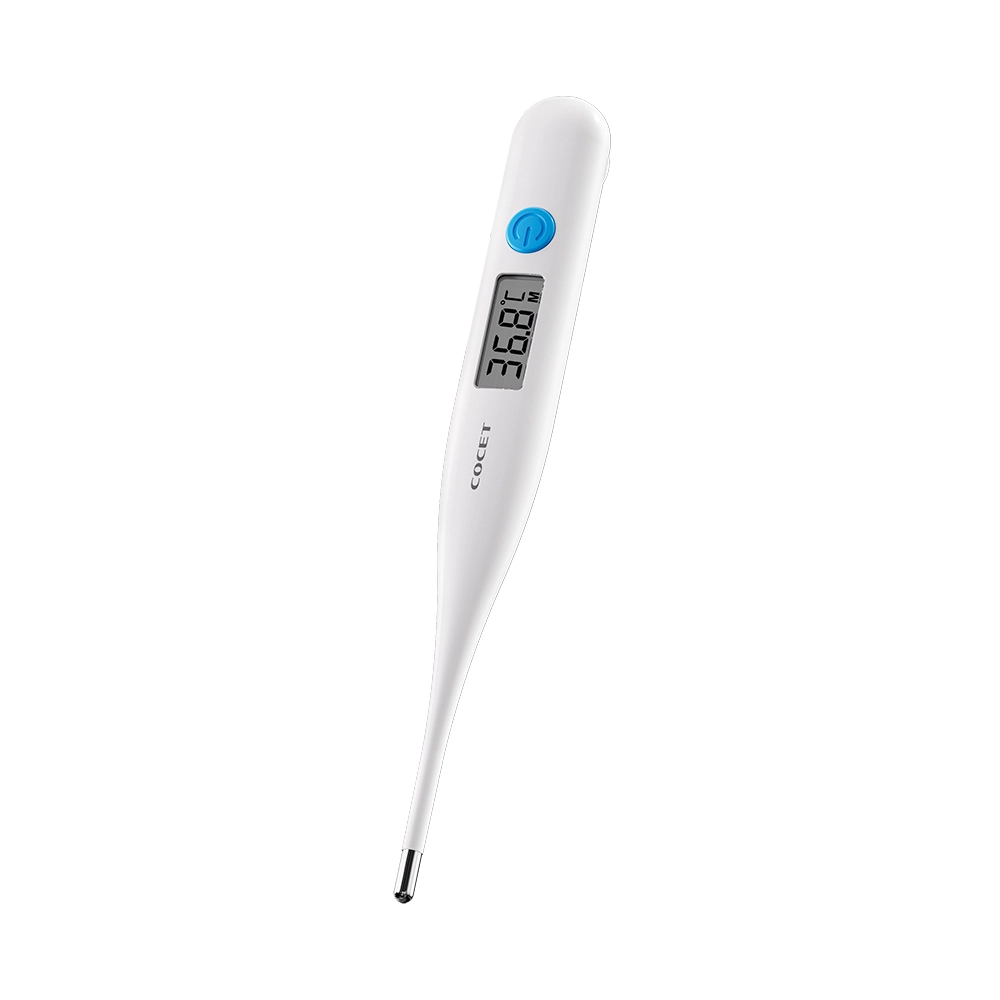
A digital thermometer is an electronic device that measures body temperature using a temperature-sensitive sensor. Unlike traditional glass thermometers, digital models display readings on an electronic screen, making temperature monitoring more convenient for modern households.
A child-safe flexible tip digital thermometer incorporates a bendable probe designed to provide a more comfortable contact experience during measurement. Its flexible construction can help reduce pressure from accidental movements, particularly when measuring the temperature of infants and young children who may not remain still.
How Does It Work?
Most digital thermometers use an electronic temperature sensor, commonly a thermistor, to detect temperature changes. The sensor converts these changes into electrical signals, which are processed by the internal circuit and displayed as a numerical reading.
The general measurement process includes:
- Temperature sensing: The probe comes into contact with the selected measurement area.
- Signal processing: The internal electronic components interpret the sensor's response.
- Temperature calculation: The device converts the detected signal into a temperature value.
- Digital display: The measured result appears on the screen, often accompanied by an audible signal when measurement is complete.
This electronic process eliminates the need to read a liquid column manually and makes the thermometer easier for parents and caregivers to operate.
2. Why Does a Flexible Tip Matter for Children?
Children often move unexpectedly during temperature measurement. Infants may turn their bodies, while toddlers may become restless or resist unfamiliar medical devices. A rigid probe can make positioning more difficult and may cause unnecessary discomfort if a child moves suddenly.
A flexible tip is intended to make contact more accommodating. Its bendable structure can help improve comfort during appropriate measurement procedures, although it does not eliminate the need for careful handling and correct positioning.
Key Benefits of a Flexible Probe Design
- Improved comfort: A flexible probe can provide a gentler contact experience than a completely rigid tip.
- Adaptability: The bendable design can accommodate slight changes in positioning.
- Convenient handling: Caregivers can position the thermometer more comfortably when following the manufacturer's instructions.
- Reduced contact pressure: The flexible structure may help reduce pressure from minor movements.
- Family-friendly operation: Digital displays and simple controls make routine temperature checks easier to manage.
Practical Tip: A flexible tip is a comfort-oriented design feature, not a substitute for proper measurement technique. Never force a probe into a measurement area or bend it beyond the manufacturer's recommended limits.
Why Is Comfort Important During Fever Monitoring?
When children are sick, they may already be experiencing fatigue, irritability, or physical discomfort. A complicated or uncomfortable measuring process can make repeated temperature checks more stressful for both children and parents.
An easy-to-handle thermometer helps caregivers complete routine checks with less disturbance. This is particularly useful when parents need to monitor temperature changes over time and communicate the results to a healthcare professional.
3. Essential Features to Look for in a Child-Friendly Thermometer
Not every digital thermometer offers the same user experience. When evaluating a child-safe flexible tip digital thermometer, buyers should consider several practical features rather than focusing on appearance alone.
3.1 Soft and Flexible Probe
The probe is one of the most important components. Buyers should examine its flexibility, surface finish, structural durability, and connection to the thermometer body. The material should be suitable for its intended medical-device application and should comply with relevant safety requirements.
3.2 Clear Digital Display
A readable LCD screen helps parents identify temperature values without unnecessary effort. Large digits and clear unit indicators are particularly useful when taking measurements in low-light conditions or when caring for a restless child.
3.3 Fast Measurement Performance
Measurement time is another important consideration. A thermometer that completes readings efficiently can make the process easier for children who have difficulty remaining still. However, the advertised measurement time should be evaluated together with the actual measurement method and device instructions.
3.4 Audible Completion Alert
An audible beep can notify users when the measurement process is complete. This reduces the need to continuously watch the display and makes the device more convenient for caregivers.
3.5 Memory Function
Some digital thermometers store the previous temperature reading. This feature can help parents compare measurements and observe changes during an illness. It is especially useful when caregivers want to keep a simple record of fever development.
3.6 Automatic Shut-Off
An automatic shut-off function helps conserve battery power when the thermometer is not being used. It is a practical feature for household devices that may be used intermittently.
Feature Comparison Table
| Feature | Main Purpose | Why It Matters |
|---|---|---|
| Flexible probe tip | Accommodates slight movement and positioning changes | Supports a more comfortable measurement experience |
| LCD display | Shows measured temperature | Makes readings easier to understand |
| Audible alert | Signals measurement completion | Improves convenience during use |
| Memory function | Stores previous readings | Helps caregivers track temperature changes |
| Automatic shut-off | Turns off the device after inactivity | Helps conserve battery power |
| Water-resistant construction | Supports easier cleaning when specified | Helps maintain product hygiene |
4. What Affects Temperature Measurement Accuracy?
Accurate temperature measurement is essential when monitoring a child's health. However, the displayed result can be influenced by several factors, including measurement location, positioning, environmental conditions, and device performance.
Measurement Location
Different measurement sites can produce different temperature readings. Oral, axillary, and rectal measurements do not necessarily provide identical results. Therefore, parents should avoid directly comparing readings taken from different body sites without considering the measurement method.
Correct Positioning
The thermometer must be positioned according to the manufacturer's instructions. Incomplete contact, movement during measurement, or incorrect placement may affect the result.
Environmental Conditions
Recent physical activity, bathing, hot or cold drinks, and changes in surrounding temperature can influence certain types of temperature measurements. Allowing appropriate time before measuring can help improve consistency.
Device Quality and Calibration
Reliable electronic components, appropriate manufacturing processes, and quality control procedures all contribute to consistent device performance. Buyers should review the product's stated accuracy specifications, applicable certifications, and instructions for use.
Important: A thermometer provides a temperature reading, not a complete assessment of a child's health. If a child appears seriously unwell, has difficulty breathing, is unusually difficult to wake, or shows other concerning symptoms, seek medical attention regardless of the displayed temperature.
5. Common Temperature Measurement Methods for Children
Digital thermometers may support different measurement methods depending on their design and intended use. Parents should always check the product labeling before selecting a measurement location.
| Measurement Method | Typical Application | Important Considerations |
|---|---|---|
| Axillary (Underarm) | Infants and young children | Position the probe correctly and keep the arm close to the body. |
| Oral (Under the Tongue) | Older children who can cooperate | Requires proper placement and the ability to keep the mouth closed. |
| Rectal | Infants when an appropriate device and clinical guidance are available | Requires a thermometer specifically suitable for rectal use and careful technique. |
Choosing an Appropriate Method by Age
For infants and young children, measurement methods should be selected according to age, device labeling, and healthcare guidance. Rectal temperature measurement is commonly considered an accurate method for infants, but it must be performed carefully using a thermometer specifically approved for that purpose.
Axillary measurement is convenient and non-invasive, although it may be less accurate than certain other methods. Older children who can cooperate may use an oral thermometer when the product is designed for oral use.
For newborns younger than three months, a rectal temperature of 100.4°F (38°C) or higher requires prompt medical evaluation. Parents should contact a healthcare professional rather than relying solely on repeated home measurements.
6. How to Use a Flexible Tip Digital Thermometer Correctly
Proper operation is essential for obtaining useful temperature readings. Although specific procedures vary between products, the following general steps provide a practical starting point.
Step 1: Read the Product Instructions
Before using the thermometer, check the manufacturer's instructions, supported measurement methods, age recommendations, and safety precautions. Confirm that the selected measurement site is suitable for the specific model.
Step 2: Clean the Probe
Clean or disinfect the probe according to the manufacturer's recommendations before use. Make sure the device is dry when required by the instructions.
Step 3: Turn on the Thermometer
Press the power button and wait for the device to indicate that it is ready. Check the display to confirm that the correct temperature unit is selected.
Step 4: Position the Probe Correctly
Place the probe at the designated measurement location. Follow the instructions for the selected method, and avoid applying unnecessary pressure. Keep the child as comfortable and still as possible.
Step 5: Wait for the Completion Signal
Allow the thermometer to complete its measurement cycle. If the device produces an audible signal, check the display and follow the manufacturer's instructions regarding when to remove the probe.
Step 6: Record the Reading
Write down the temperature, measurement time, and measurement location. Keeping consistent records makes it easier to observe changes and provide useful information to healthcare professionals.
Step 7: Clean and Store the Device
After measurement, clean the probe as directed and store the thermometer in a dry, protected location. Keep the device and its accessories out of children's reach when not in use.
Helpful Reminder: Consistency matters when monitoring fever. Whenever possible, use the same measurement method and follow the same operating procedure when comparing temperature readings.
7. Cleaning, Disinfection, and Daily Maintenance
Because thermometers come into direct contact with the body, hygiene is an important part of safe household use. Proper cleaning helps reduce the risk of cross-contamination and supports the long-term condition of the device.
Recommended Maintenance Practices
- Clean the probe before and after use according to the product instructions.
- Use only cleaning agents or disinfectants approved by the manufacturer.
- Do not immerse the entire thermometer in water unless the product is specifically designed for immersion.
- Avoid abrasive materials that may damage the probe surface or device housing.
- Check the probe and body regularly for cracks, deformation, or other visible damage.
- Replace batteries when the low-battery indicator appears or performance becomes unreliable.
- Store the thermometer in its protective case when available.
Why Is Proper Storage Important?
Exposure to excessive heat, moisture, dust, and mechanical impact may affect the performance or durability of electronic thermometers. A clean and dry storage environment helps protect the device between uses.
For households with multiple children, caregivers should pay particular attention to cleaning procedures and whether the device is suitable for shared use under its labeling and instructions.
8. How to Choose the Right Thermometer for Your Needs
Selecting a suitable digital thermometer requires consideration of the intended user, measurement requirements, product specifications, and purchasing expectations. Individual families and institutional buyers may prioritize different features.
For Parents and Household Users
Families generally benefit from products that are straightforward to operate and maintain. A clear display, flexible probe, reliable measurement performance, and convenient storage are practical features to prioritize.
For Hospitals and Healthcare Institutions
Healthcare facilities may require thermometers that support standardized measurement procedures and efficient cleaning. Product consistency, documented specifications, quality management, and compatibility with institutional workflows are important purchasing considerations.
For Medical Equipment Distributors
Distributors should evaluate more than the retail appearance of a thermometer. They may need to consider production capacity, product documentation, packaging options, regulatory compliance, supply stability, and after-sales support.
For OEM and Private Label Buyers
Businesses developing their own medical equipment brands may require customized product configurations, branding, packaging, and technical documentation. Working with an experienced manufacturing partner can simplify supplier communication and product development.
Buyer Evaluation Checklist
| Evaluation Area | Questions to Ask |
|---|---|
| Product Design | Is the probe flexible, durable, and suitable for the intended users? |
| Measurement Performance | Are accuracy, measurement range, and response time clearly specified? |
| User Experience | Is the display easy to read and the operation straightforward? |
| Safety and Compliance | Are applicable certifications and regulatory documents available? |
| Manufacturing Quality | Does the supplier have documented inspection and quality control procedures? |
| Supply Capability | Can the manufacturer support the required quantity and delivery schedule? |
| Customization | Are branding, packaging, and OEM requirements supported? |
9. Common Mistakes Parents Should Avoid
Even a well-designed thermometer may produce misleading results when it is used incorrectly. Understanding common mistakes can help caregivers improve measurement consistency.
Comparing Different Measurement Sites Directly
Oral, rectal, and underarm readings can differ. Parents should record the measurement site and avoid assuming that every method produces the same numerical result.
Removing the Thermometer Too Early
Some users remove the probe before the device has completed its measurement cycle. Always wait for the indicated completion signal and follow the product instructions.
Using a Damaged Probe
A cracked, loose, or visibly damaged probe should not be used. Physical damage may compromise hygiene, safety, or measurement reliability.
Ignoring the Child's Overall Condition
A temperature reading should always be considered alongside the child's behavior and symptoms. A child who appears seriously ill needs medical assessment even if the thermometer does not indicate a particularly high temperature.
Incorrect Cleaning Practices
Using unsuitable chemicals or excessive water may damage the device. Cleaning should always follow the manufacturer's specified procedures.
10. Why Choose a Reliable Thermometer Manufacturer?
The quality of a digital thermometer depends not only on its design but also on the manufacturing processes behind it. For medical equipment buyers, selecting a dependable supplier is an important step in establishing a stable product supply chain.
A professional manufacturer should be able to provide clear product specifications, consistent production standards, appropriate quality inspections, and relevant product documentation.
Important Qualities of a Manufacturing Partner
- Product development capability: The ability to develop and improve thermometer designs according to market requirements.
- Quality management: Documented production controls and inspection procedures.
- Material selection: Appropriate materials for the intended medical-device application.
- Regulatory awareness: Understanding of applicable product registration and compliance requirements in target markets.
- OEM and customization support: Flexible branding, packaging, and product configuration options where available.
- Reliable communication: Clear technical information and responsive customer support.
Working with Kangfu Medical Equipment Factory
When sourcing a child-safe flexible tip digital thermometer, buyers should work with a supplier that understands the importance of product design, manufacturing consistency, and practical user requirements.
Kangfu Medical Equipment Factory focuses on medical equipment manufacturing and product supply. For buyers exploring digital thermometers and related medical products, understanding the product specifications, available configurations, quality requirements, and supply arrangements is an important part of the purchasing process.
Whether you are a medical equipment distributor, healthcare product retailer, or business developing a private-label product line, selecting products based on documented performance and clearly defined requirements can help support long-term business cooperation.
Before placing an order, buyers are encouraged to confirm the product's intended measurement methods, technical specifications, applicable regulatory status, packaging details, and customization availability directly with the manufacturer.
11. Frequently Asked Questions
Q1: What is a child-safe flexible tip digital thermometer?
A child-safe flexible tip digital thermometer is an electronic temperature-measuring device with a bendable probe designed to improve comfort during appropriate temperature measurement procedures. It typically features an electronic sensor and a digital display for presenting temperature readings.
Q2: Is a flexible tip digital thermometer suitable for newborns?
Suitability depends on the specific product's labeling, intended measurement method, and age recommendations. For newborns, parents should follow healthcare professional guidance and use a thermometer specifically designed for the selected measurement method. A temperature of 100.4°F (38°C) or higher in an infant under three months requires prompt medical evaluation.
Q3: Does a flexible tip improve measurement accuracy?
A flexible tip primarily supports comfort and positioning. It does not automatically make a thermometer more accurate. Measurement accuracy depends on sensor quality, device design, calibration, measurement location, and correct operation.
Q4: How long does a digital thermometer take to measure temperature?
Measurement time varies by model and measurement method. Some digital thermometers provide readings relatively quickly, while others require additional time to complete the measurement. Always follow the manufacturer's stated measurement time and completion instructions.
Q5: Can a flexible tip thermometer be used for oral and rectal measurements?
Only when the specific model is labeled and designed for those measurement methods. Buyers should never assume that a thermometer is suitable for every body site simply because it has a flexible probe.
Q6: How often should a digital thermometer be cleaned?
The probe should be cleaned according to the manufacturer's instructions before and after use. Appropriate cleaning procedures help maintain hygiene and reduce the risk of cross-contamination.
Q7: What features should parents prioritize when buying a children's thermometer?
Important features include a comfortable probe design, readable digital display, reliable measurement performance, simple controls, an audible completion alert, and clear cleaning instructions. Age suitability and supported measurement methods should also be checked.
Q8: Can digital thermometers store previous temperature readings?
Some models include a memory function that stores one or more previous readings. This can help caregivers monitor temperature changes. Buyers should check the product specifications to confirm the number of readings supported.
Q9: What should distributors consider when purchasing digital thermometers in bulk?
Distributors should evaluate product specifications, manufacturing quality, applicable certifications, packaging, production capacity, delivery schedules, and after-sales support. OEM and private-label options may also be important for businesses building their own product brands.
Q10: How can buyers find a suitable flexible tip digital thermometer supplier?
Buyers should compare manufacturers based on their product range, technical documentation, quality management processes, regulatory compliance, customization capabilities, and communication efficiency. Requesting product specifications and samples can help support a more informed purchasing decision.
12. Final Thoughts
Choosing a suitable child-safe flexible tip digital thermometer involves balancing comfort, measurement reliability, ease of operation, and hygiene. A flexible probe can make temperature measurement more accommodating for children, while a clear display, practical functions, and dependable electronic components contribute to a better user experience.
For parents, the most important considerations are selecting an age-appropriate product, following the correct measurement procedure, and understanding when medical advice is necessary. For distributors and healthcare product buyers, product specifications, manufacturing quality, regulatory compliance, and supplier reliability should remain central to the purchasing decision.
By evaluating these factors carefully, buyers can make more informed choices and identify thermometer products that meet their intended application and market requirements.
Looking for a Reliable Medical Equipment Manufacturing Partner?
Explore product specifications, discuss your sourcing requirements, and learn more about available medical thermometer solutions with Kangfu Medical Equipment Factory. Whether you are a distributor, wholesaler, or private-label buyer, our team welcomes inquiries about product information and potential cooperation.
Contact us today to discuss your medical equipment purchasing needs and find a suitable solution for your target market.
Next :
-
Related News
- What Makes an IP57 Waterproof Rigid Tip Digital Thermometer Reliable for Everyday Temperature Measurement?
- Rigid Tip Digital Thermometers: The Precision of a Classic Design
- Upper-Arm Blood Pressure Monitors: A Reliable Standard for Home Measurement
- Soft-Tip Digital Thermometers for Babies: Ending the Struggle with Fever Checks
Leave me a message
New Products
News Recommendations