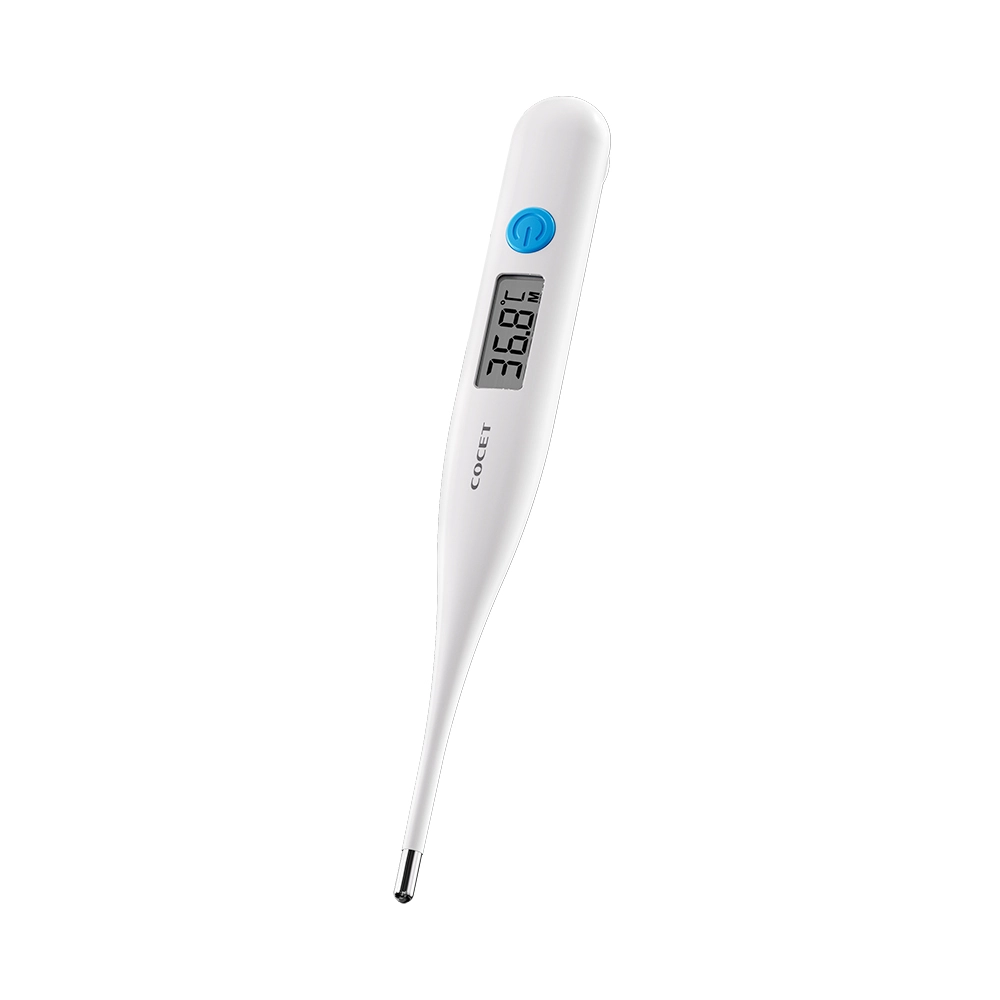
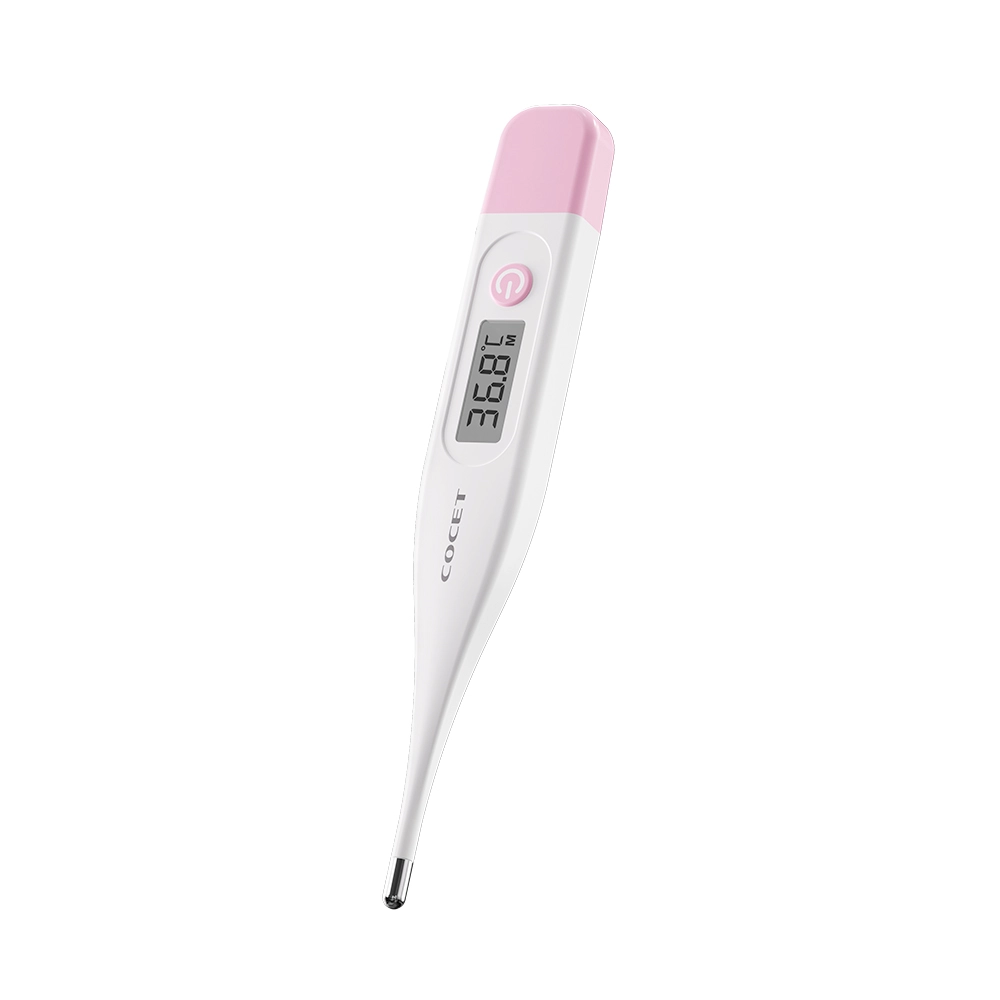
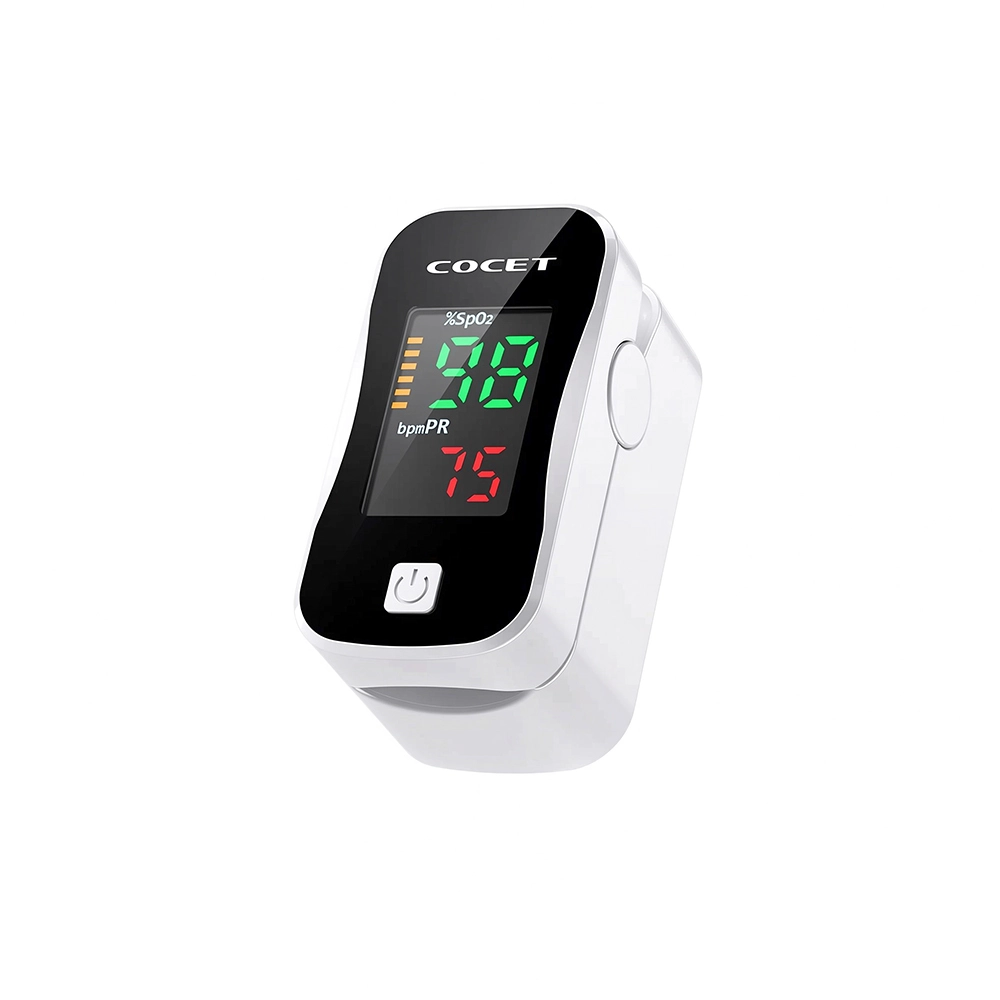
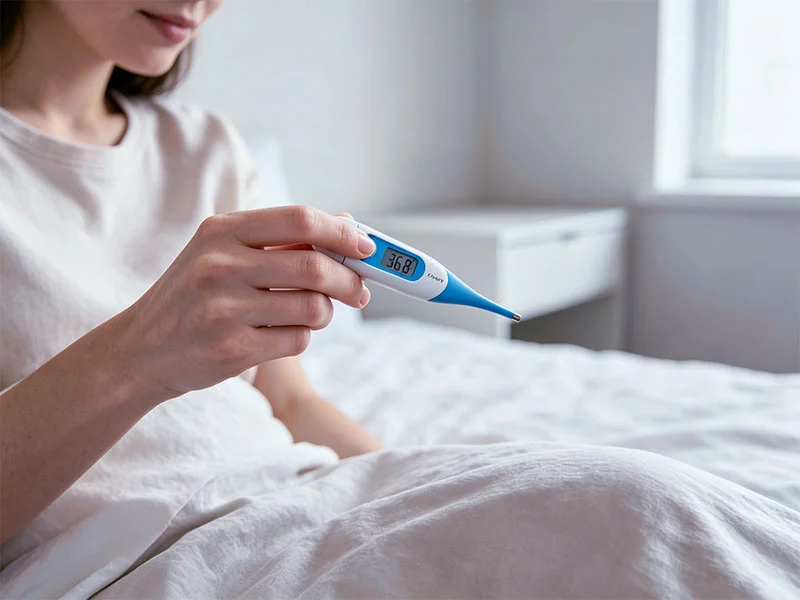
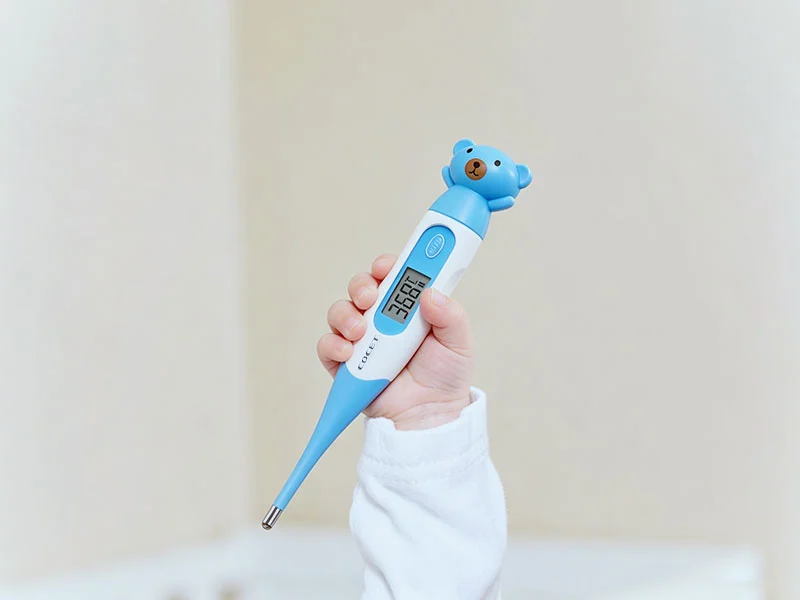
In an era of increasingly diverse temperature measurement tools, rigid tip digital thermometers maintain a firm position in clinical settings and home medicine cabinets due to their high accuracy, durability, and cost-effectiveness. These devices feature a non-bendable plastic probe that houses a high-sensitivity thermistor sensor, delivering stable and reliable core body temperature readings through contact-based measurement.
The rigid tip design prioritizes structural strength and thermal conductivity. The probe is typically made of stainless steel or engineering plastic, with a smooth surface that facilitates easy cleaning and disinfection. It withstands repeated wiping or immersion in disinfectant solutions, making it particularly suitable for multi-user scenarios in healthcare facilities. The rigid structure ensures close contact between the sensor and the measurement site, minimizing signal fluctuations caused by probe bending or displacement. Common measurement sites include the oral cavity, axilla, or rectum, with rectal measurement recognized as the closest reference to core body temperature.
In terms of performance, rigid tip digital thermometers generally achieve an accuracy of ±0.1°C, with some medical-grade models reaching ±0.05°C. Measurement time varies by product tier, with standard models around 60 seconds and rapid versions delivering readings within 20 seconds. The liquid crystal display shows temperature changes in 0.1°C increments, and a beep sounds upon completion, preventing premature removal that could yield invalid data. Models with a waterproof rating of IPX7 or higher can be rinsed directly under running water, significantly simplifying post-use cleaning.
Compared with soft-tip or non-contact alternatives, rigid tip thermometers excel in long-term reliability and cost efficiency. Their internal electronic components feature simple architectures, with battery life typically extending to thousands of measurements and extremely low failure rates. For chronic patients requiring frequent temperature monitoring, nursing home staff, and pediatric clinics, this type offers a solution that requires minimal recalibration and enables standardized operating procedures.
Despite continuous technological innovation, rigid tip digital thermometers, backed by half a century of clinical validation and operational familiarity, remain an unshaken benchmark in the field of temperature measurement.
We use cookies to offer you a better browsing experience, analyze site traffic and personalize content. By using this site, you agree to our use of cookies. Privacy Policy